It was a hot Argentina summer — except in Argentina, where, being southerly hemisphered, it was a cool Argentina winter — when La Albiceleste surprised the world, meeting Spain to play for what might have been its second consecutive World Cup title. Then things took a turn. Argentina succumbed to La Roja, and the tide of public opinion receded sharply. Accusations of dirty play and racist behavior (by players and fans) led to choral condemnations online; the boys sealed their fate with a Cup-capping brawl. Argentine stock, such as it is, dipped. “They are jealous of us,” the country’s president sniffed in response.
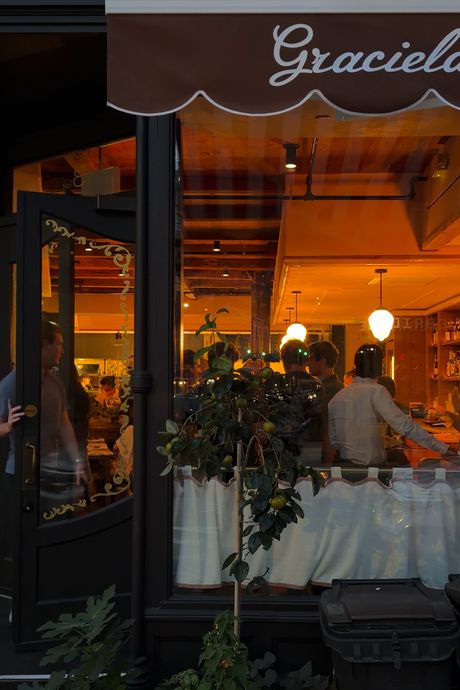
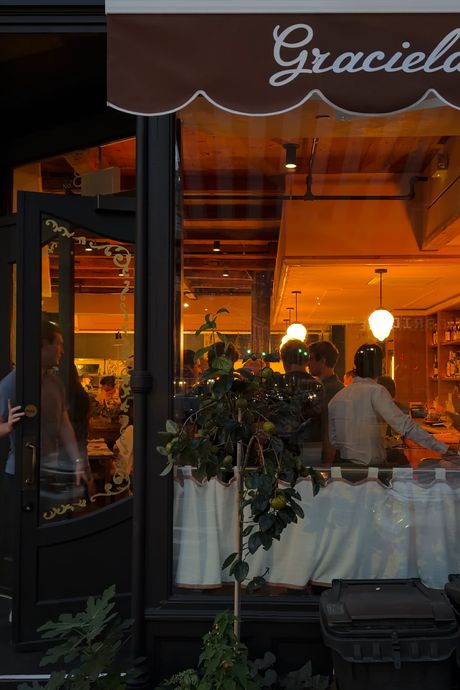
Into this fraught moment comes a balm in beef fat, Graciela — grace — which took over the large two-chambered space vacated by L’Antica Pizzeria da Michele. It’s the first U.S. restaurant from Pablo Rivero, the Argentine restaurateur whose Buenos Aires parrilla, Don Julio (a kind of grill-forward steakhouse — a parrilla is a type of grill), is a gastrotourist pilgrimage site, like a South American Luger’s, albeit one that favors a softer touch. I’d been surprised, before the opening, to read Rivero opine that the food at his much-hyped U.S. debut wasn’t all that important, actually. “What is important is that we can make our guests feel better,” he said. “The cuisine is only a pretext.”
I — ¿cómo se dice? — rolled my eyes. But my visits to Graciela unrolled them. “How many people work here?” my dinner guest whispered as we were ushered past a gauntlet of greeters in custom pañuelos and coffee-colored chore jackets, all chirping “hello,” eight or ten in total. On any given night, they were saluting the Argentines waving to Rivero and West Village Girls photographing their entrées; during one meal, I spotted Elle and Dakota Fanning sharing a table. Swelled to abundance for the opening, at least, the floor staff display a thoroughgoing commitment to charm. The employee-to-diner ratio allows for very regular check-ins by a rotating cast, who are admirably well versed in the finer points of Argentine cuisine, whether they are New Yorkers slipping labilely between English and Spanish (“Entonces, the French fries?”) or one of five porteños who shipped in to join the restaurant and share their local knowledge, identifiable by the lisping sh of their gentle Argentine accents.
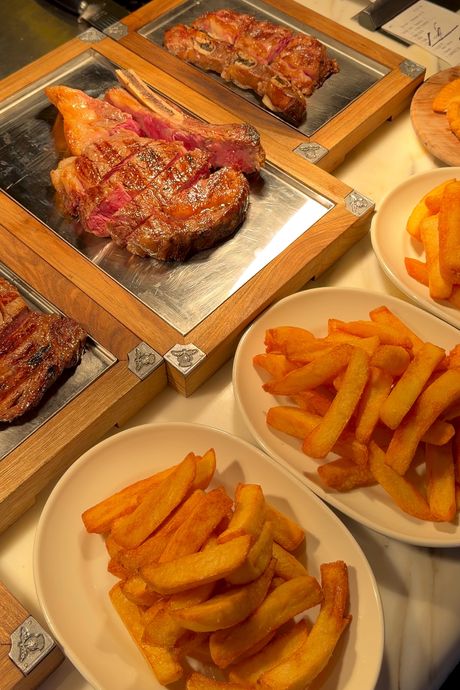
The dining room has been rejiggered with barrel-vaulted ceilings and a warmer, woodier tone than da Michele’s marmoreal chill, and Graciela, which is named for Rivero’s mother, incorporates its own parrilla, the grill and a custom-built oven prominently displayed. Don Julio is famous for its steaks, and Argentine beef makes up the more expensive half of the small steak section of the menu, whereas the more affordable options are American-raised (and dry-aged). I enjoyed the Argentine rib eye I sampled, tender even with a minimum of fat, served sectioned, for reasons I don’t pretend to understand, into three non-slice chunks on a wood-and-steel platter. It had a clean, pure-animal flavor, though I was even more taken with a cord of inch-thick short-rib slices, which had a more pungent funk.
What neither of these smallish cuts offered, though, was the festal abbondanza I usually associate with steakhouse excess. I do wonder if aficionados will be satisfied, but there is a 30-ounce bone-in rib eye on offer for them. In place of the usual French sauces, Graciela offers two different chimichurris, a greener fresh one and a spicier, better, red variety. The sides list is limited and spinach free, and the best choice I found was the French fries, thick, twice-fried honkers with creamy interiors that already rank among the city’s best.
Those willing to deviate from the standard-edition steakhouse playbook will fare better. By the late 1800s, Italians made up a majority of European immigrants to Argentina, and many of the dishes at Graciela nod to their influences: the deep-fried Milanesa, here done with New York strip, or the fiery, fennel-scented Calabresa salami among the charcuterie. Osso buco empanadas, a staple at Don Julio, are unmissable, braid-edged half-moons filled with steaming braised beef shank, ready to be dripped with chile-and-tomato yasgua after you bite off a sealing corner. (The yasgua must be spooned into, not over, the empanada, Rivero stopped by my table to apprise us.)
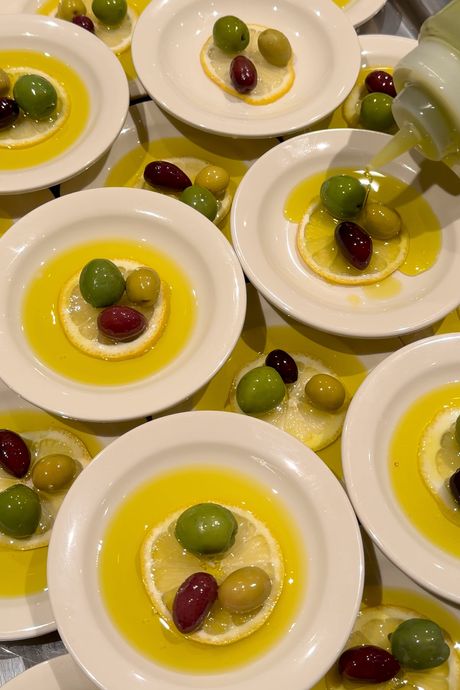
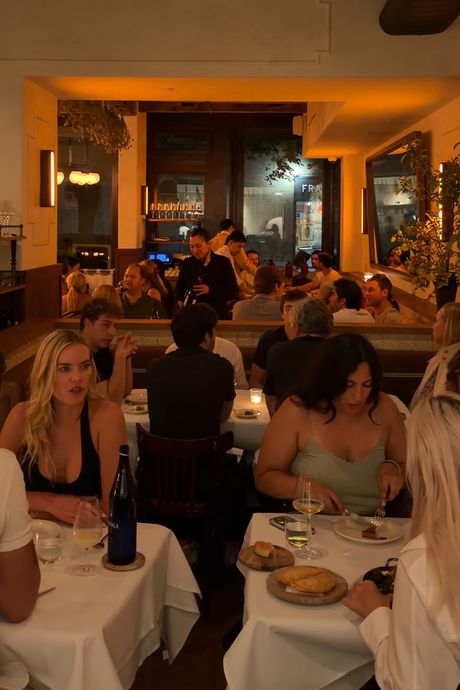
A spirit of hospitable generosity pervades Graciela’s double-wide rooms; the plates of olives reference the free glasses of lemonade that greet each guest. Hugo Yu.
A spirit of hospitable generosity pervades Graciela’s double-wide rooms; the plates of olives reference the free glasses of lemonade that greet each g… A spirit of hospitable generosity pervades Graciela’s double-wide rooms; the plates of olives reference the free glasses of lemonade that greet each guest. Hugo Yu.
I wouldn’t skip any of that charcuterie, either, made from Rivero’s recipes by the butchers at Ends Meat in Brooklyn, be it the flat wreaths of chacarero or Calabresa, or the long fatty squiggles of cecina, a kind of cured picaña beef, gilded with olive oil. I loved a new-to-me chickpea tart called fainá, like a bouncy, paprika-dusted marriage of a socca and a flan, and while I personally found the truth-in-advertising simplicity of “Un Tomate,” a $23 tomato appetizer that is, quite literally, a single heirloom tomato dressed with more yasgua, a little silly, the trays of them waiting visibly in kitchen racks suggested I might be the only one.
Select a few of these, a smallish cut of beef or two, and leave a little room for dessert. (Graciela’s flan is very good, almost cheesy, with a fudgy consistency.) It wasn’t any individual of these dishes that endeared me to Graciela but the long oily drowse of an evening there. As it turns out, the best remedy for beef with Argentina is beef from Argentina. “I thought New York was hard,” Rivero said, fresh off a flight from Buenos Aires, “but the people are very nice.” I suspect the truth is on the other side. It was almost with reluctance that our porteña waitress dropped off the check. “Come back anytime,” she said. “This is your house.”